
Wildlife of Bridle Trails
482 acres of second-growth forest supporting a rich tapestry of Pacific Northwest wildlife —
from soaring eagles to elusive bobcats, just minutes from the city.
Mammals of the Forest
The dense lowland forest of Bridle Trails provides excellent habitat for a variety of mammals. Early morning and dusk are the best times to spot them along the quieter trail sections.

Deer
Odocoileus hemionus columbianusA Pacific Northwest native, these graceful deer browse the forest edges at dawn and dusk. Fawns are often spotted in spring.
Common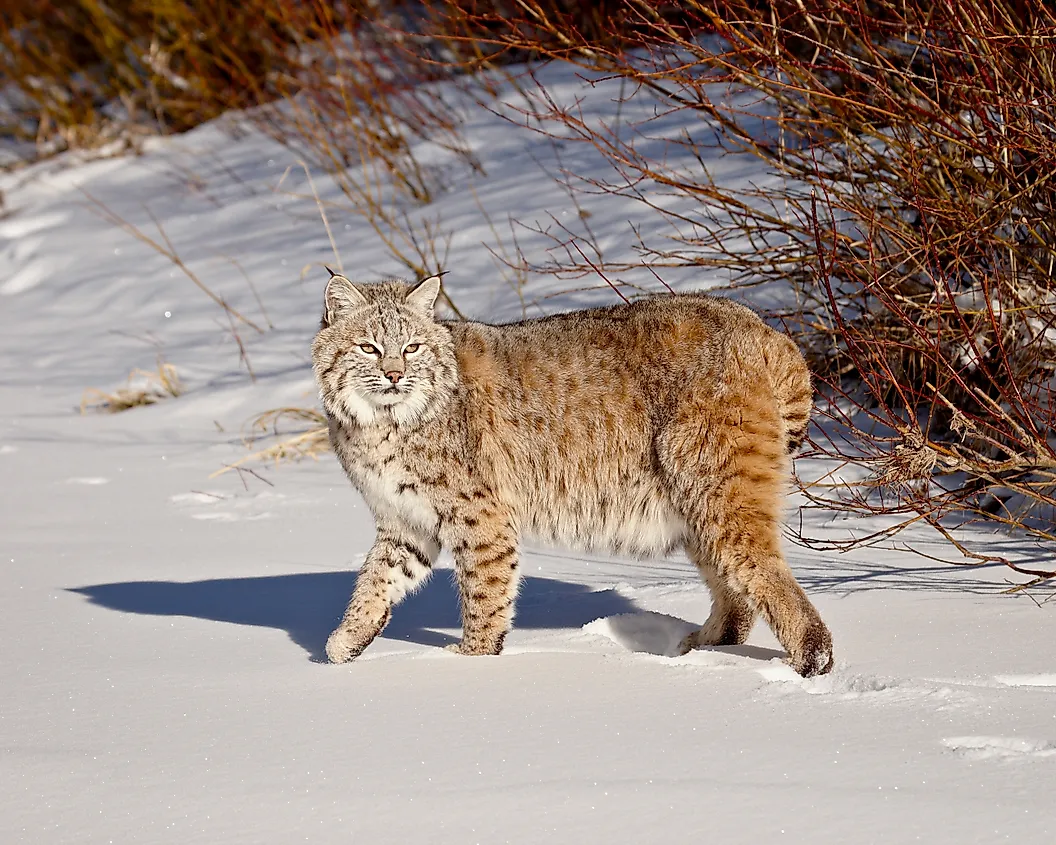
Bobcat
Lynx rufusElusive and nocturnal, bobcats are about twice the size of a house cat. Their distinctive short "bobbed" tail makes them unmistakable.
Occasional
Coyote
Canis latransHighly adaptable and intelligent, coyotes are regularly spotted in the park. Their eerie howl is occasionally heard at night.
Common
Raccoon
Procyon lotorMischievous and curious, raccoons are frequent visitors to the park. Their masked faces and dextrous paws are endearing but keep your distance!
Common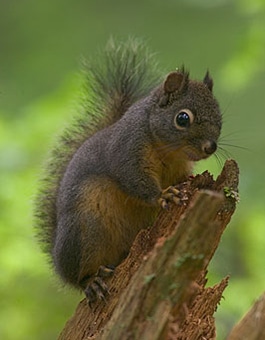
Douglas Squirrel
Tamiasciurus douglasiiAlso called the Chickaree, this feisty little squirrel is a year-round resident of the park's conifer canopy. Listen for its distinctive scolding chatter.
Common
Gray Squirrel
Sciurus carolinensisOne of the most frequently spotted mammals in and around the park. Bold and acrobatic, they cache thousands of nuts each autumn and are active year-round.
Common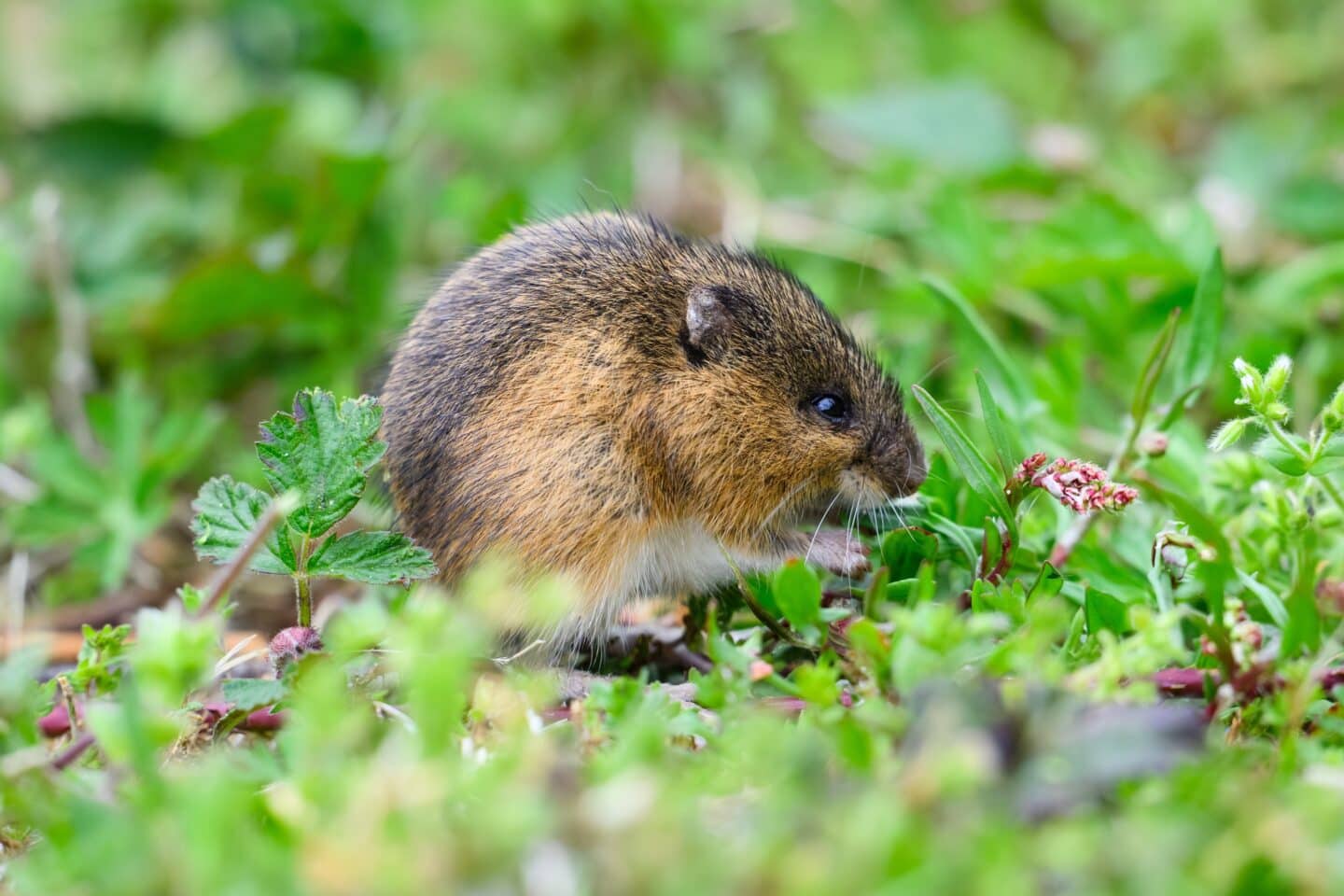
Field Mouse
Peromyscus maniculatusOne of the most abundant small mammals in the park. Quick and secretive, field mice are vital to the forest ecosystem as a food source for owls, hawks, and foxes.
Common
Opossum
Didelphis virginianaNorth America's only marsupial, opossums are shy, nocturnal foragers. Mothers are sometimes seen carrying their young on their backs.
OccasionalBirds of Bridle Trails
Over 50 bird species have been recorded in the park, from tiny Pacific Wrens singing deep in the undergrowth to Bald Eagles riding thermals overhead. Bring binoculars — the canopy rewards patient observers.

Great Horned Owl
Bubo virginianusThe park's apex avian predator. Fierce and powerful, it can take prey as large as skunks and rabbits. Listen for its deep, resonant hooting after dark.
Occasional
Bald Eagle
Haliaeetus leucocephalusAmerica's national symbol soars above the park canopy, particularly in winter. An unmistakable white head and tail against the grey Seattle sky.
Occasional
Red-tailed Hawk
Buteo jamaicensisOne of the most common large raptors in the park. Frequently seen perched on high branches scanning the forest floor for prey.
Common
Barred Owl
Strix variaA medium-sized owl that has become well established in the park. It's the one known to occasionally surprise pedestrians on the trails — watch your head at dusk!
CommonAlso Watch For…
Pileated Woodpecker — the park's largest woodpecker, unmistakable with its brilliant red crest and loud hammering. · Pacific Wren — tiny but impossibly loud, singing its complex song from dense undergrowth. · Golden-crowned Kinglet — a jewel of the canopy, flitting through the fir tips year-round. · Dark-eyed Junco — a friendly, common ground forager seen on nearly every walk. · Spotted Towhee — scratches noisily in the leaf litter with its distinctive rufous sides.
Amphibians & Reptiles
The moist, shaded forest floor is perfect habitat for amphibians. Spring evenings near the park's wet areas are alive with the calls of chorus frogs.
Pacific Chorus Frog
Pseudacris regillaThe most vocal amphibian in the park. Their loud "ribbit" chorus on spring evenings is one of the quintessential sounds of the Pacific Northwest forest.
Common
Ensatina Salamander
Ensatina eschscholtziiFound under logs and leaf litter on the forest floor. Lungless and slow-moving, it breathes entirely through its moist skin. A sign of a healthy forest.
Occasional
Northwestern Garter Snake
Thamnophis ordinoidesWashington's most common snake and completely harmless. Often seen warming itself on sun-dappled trails in spring and summer. A great insect hunter.
OccasionalHow to Spot More Wildlife
A few simple habits will dramatically increase your wildlife sightings on every visit.
Go at Dawn or Dusk
Most mammals are crepuscular — most active at the edges of the day. Arrive early or stay late for your best chance of deer, bobcat, and coyote sightings.
Move Slowly & Quietly
Slow down, speak softly, and pause often. Wildlife will emerge when they don't feel threatened. The forest reveals itself to those who take their time.
Listen as Much as You Look
Many animals are heard before they're seen. Leave the headphones at home and tune in — the hammering of a Pileated Woodpecker carries a long way.
Bring Binoculars
Essential for birds in the canopy and raptors riding thermals above. A small pair of 8×42 binoculars fits easily in a saddlebag or backpack.
Learn the Signs
Tracks, scat, scratched bark, and gnawed cones all tell a story. The Bridle Trails Park Foundation publishes a free field guide at their visitor station.
Log Your Sightings
Submit your observations to iNaturalist to contribute to the park's scientific record and help track species over time.
Help Protect This Habitat
The wildlife of Bridle Trails depends on a healthy, connected forest. The BTCC advocates for the park's protection and works with local agencies to preserve this urban wilderness for generations of animals — and people — to come.
Support the BTCC